Membership tiers work when progression is visible, each level changes the member experience, and the programme gives people a credible reason to keep engaging—not simply spending. A good tier structure turns a customer loyalty programme from a discount mechanism into a clear relationship journey.
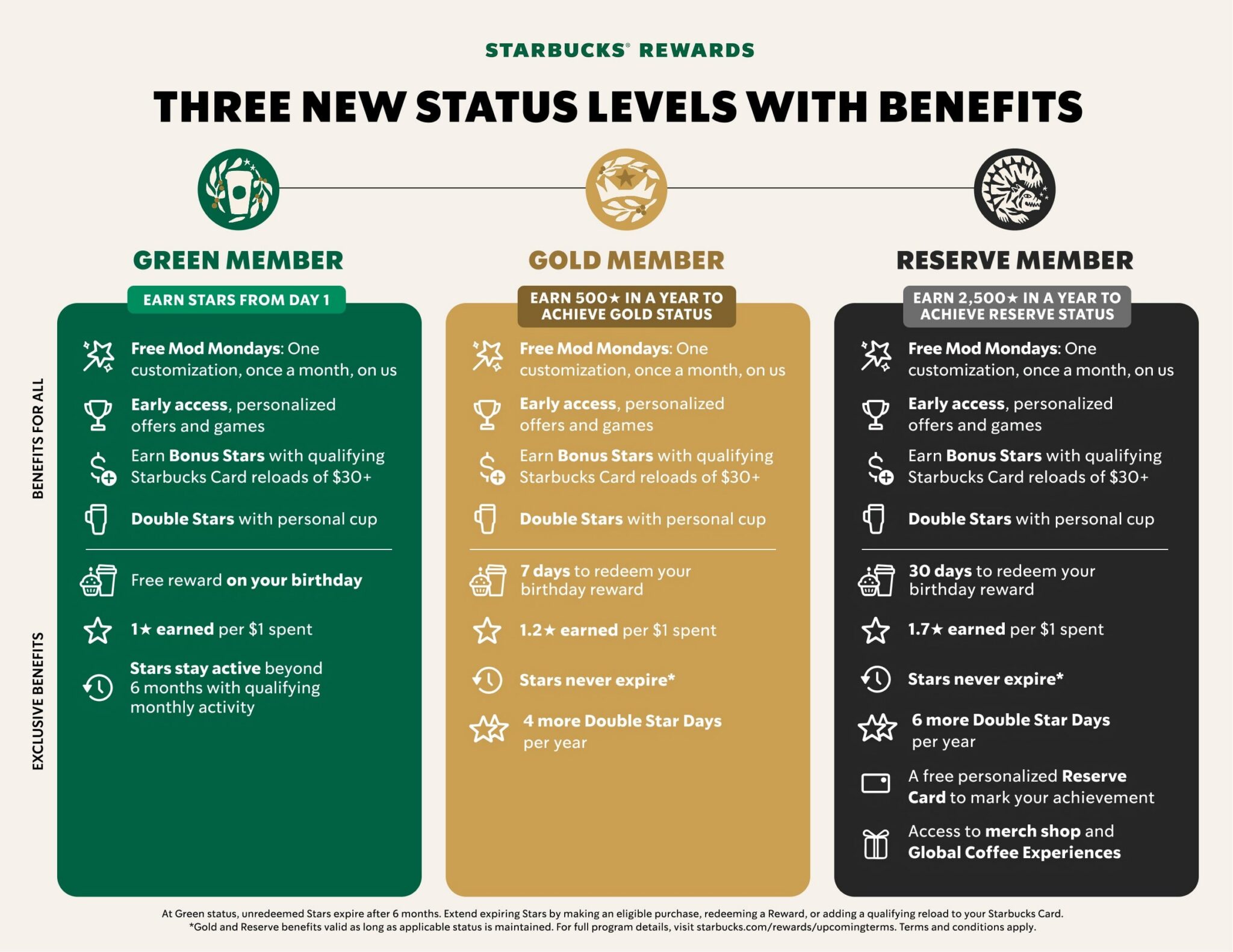
In its 2026 reimagining of Starbucks Rewards, Starbucks introduced Green, Gold and Reserve levels, with status visible in the app and increasingly elevated benefits as members progress. The details are specific to Starbucks and subject to its official terms, but the underlying design lessons travel well across retail, F&B, lifestyle and mall programmes.
Why membership tiers matter again
Points create a transaction-level reason to return. Tiers can create a longer-term reason to stay involved. They help members understand where they are in a relationship, what they can unlock and why their next action matters. A thoughtful membership tier design turns a points-based loyalty programme into a clear journey rather than a set of disconnected discounts.
For retailers, a tiered loyalty programme is also a customer engagement strategy. It can connect everyday transactions, personalised offers and recognition into one visible path, rather than treating every reward as a standalone promotion.
For brands, tiers bring discipline to benefit design. Rather than offering the same incentive to everyone, a programme can reserve selected recognition, utility and experiences for members who meet transparent criteria.
Lesson 1: Make progress visible
A member should not need to search through terms and conditions to know their current status. The Starbucks Rewards announcement places status tracking in the app, showing members how their activity relates to the next level.
Visible progress gives routine activity a sense of direction. It can be represented through a status tracker, digital member card, progress bar or a simple next-benefit message. Before building the interface, define what the member has achieved, what the next level unlocks and which activity will help them get there. The interface is also part of a stronger omnichannel engagement experience.
Lesson 2: Make the next level meaningfully different
Members do not progress for a new label alone. Each tier needs a visible step up in value. In the Starbucks example, higher levels bring a mix of enhanced earn potential, more flexible treatment and access to more distinctive experiences.
- Everyday value: points, vouchers, service advantages or earning accelerators members can use regularly.
- Emotional value: recognition, priority access, community and experiences that make membership feel personal.
For each tier, write the answer to: “What becomes better for this member?” If the answer cannot be expressed in plain language, simplify the benefit set.
Lesson 3: Balance financial rewards with experiences
Financial value is important, especially at entry level. But a tier programme becomes more memorable when it includes benefits that cannot be reduced to a price calculation. Invitation-only events, early access, a useful concierge-style service or a tailored experience can give a programme character.
The right experience is one that fits the brand and feels genuinely scarce or helpful to the intended member. For a fashion retailer, it may be early access or styling. For a mall, it may be priority booking or partner experiences. For a wellness brand, it may be coaching or community access.
Lesson 4: Do not make members wait too long for value
A tier can be aspirational without feeling distant. Build a meaningful entry-level experience, then ensure the path upwards is credible for the segments you want to grow. Qualification can use spend, frequency, cross-category activity, referrals or participation—provided members understand the rule and can act on it.
Lesson 5: Design tiers as an operating system, not a campaign overlay
Membership tiers touch marketing, customer service, finance, stores, digital product and data teams. Teams need agreement on qualification windows, downgrade and renewal rules, exclusions, customer-service handling, partner participation and the data that powers member recognition.
A practical membership-tier design framework
1. Define the member goal
What relationship should the programme encourage: frequent visits, category engagement, higher-value baskets, advocacy or sustained retention? The goal should shape the tier criteria.
2. Choose a simple qualification logic
Members should be able to tell how they qualify and when their status is reviewed. Complexity may help back-end segmentation; it rarely helps member-facing explanations.
3. Build a benefit ladder
Map benefits from entry to premium level. Keep a useful baseline for all active members, then increase relevance, flexibility, access or recognition at each step.
4. Show progress at every touchpoint
The app, member account, customer-service view and in-store experience should all understand the same status.
5. Review performance and member understanding
Review active membership, progression, benefit use, support contacts, downgrade patterns and feedback. If members do not understand a tier, a more generous benefit may not solve the problem.
How Motherapp can help bring loyalty programme tiers to life
The strategy is only useful when members can understand and use it consistently. Motherapp helps retailers turn a membership-tier framework into a connected customer loyalty app and loyalty CRM experience that supports both member engagement and day-to-day operations.
- Tiered loyalty programme configuration: translate membership levels into clear qualification, renewal, points, coupon and reward rules.
- Visible member progress: provide a digital member card, account view and reward wallet that makes loyalty programme tiers easy to understand and use.
- Omnichannel member journeys: scope how a member’s status and benefits are recognised across the app, e-commerce, POS and CRM environments.
- Relevant member engagement: support segmentation and personalised campaign planning through a loyalty CRM for marketers, so the right member receives the right reason to return.
For brands with more complex requirements, an enterprise loyalty programme can be scoped around the data, governance and integration needs of the programme.
Frequently asked questions
How many membership tiers should a loyalty programme have?
There is no universal number. Many programmes work well with three levels because members can understand the journey at a glance. The right number depends on the ability to differentiate benefits and support them operationally.
What benefits should belong at each level?
Entry levels should offer immediate, useful value. Higher levels should add clearer recognition, stronger utility and selected experiences.
Should a tier be based only on spend?
Not necessarily. Visits, category exploration, engagement, referrals or partner activity can also identify a valuable member relationship.
How do you know if a tier structure is working?
Look for clear member understanding, sustainable benefit use, credible progression and a consistent experience across channels.
Design a tier strategy members can understand and use
The renewed focus on membership tiers is not about adding complexity. It is about giving members a clear relationship journey.
Talk to Motherapp →