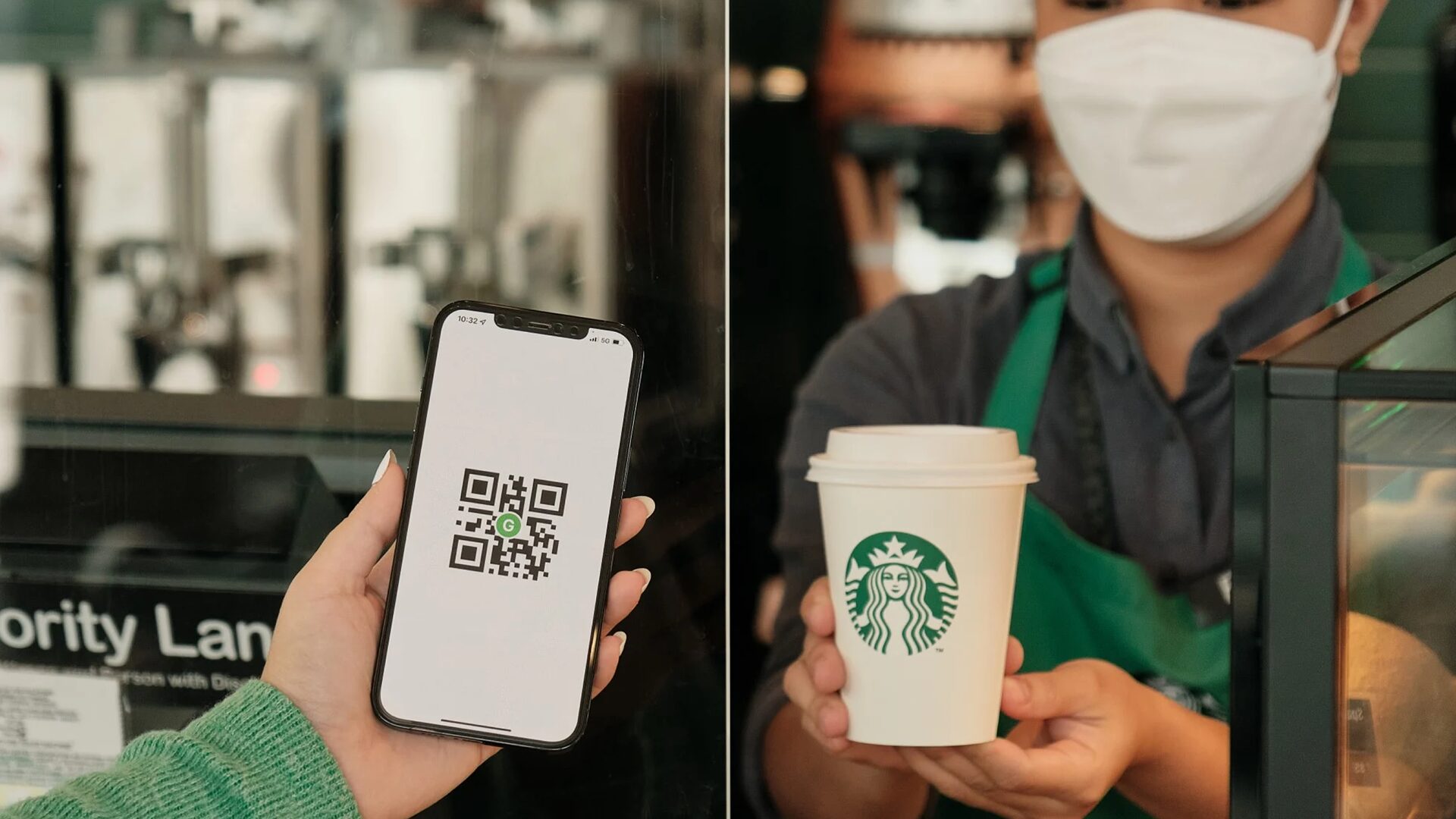
In the highly competitive food and beverage (F&B) landscape of Southeast Asia, a loyalty program is no longer just a “perk”—it is a strategic necessity for survival and growth. Starbucks Malaysia has long been a benchmark for digital-first loyalty, using its Starbucks Rewards program to transform casual coffee drinkers into brand advocates.
However, as market dynamics in Malaysia shift due to economic pressures and external social factors, even the strongest loyalty schemes face new tests. This case study explores the mechanics behind Starbucks Malaysia’s success, its integration of O2O (Online-to-Offline) technology, and the lessons brands can learn about building resilience in the modern Malaysian retail ecosystem.
Table of Contents
2. The Architecture of Starbucks Rewards Malaysia
3. O2O Integration: The Mobile-First Advantage
4. Personalization: Beyond Generic Discounts
5. Key Lessons for Southeast Asian Retailers
6. Frequently Asked Questions (FAQ)
Key Takeaways
- Tech Integration is Non-Negotiable: The Starbucks Malaysia app utilizes Mobile Order & Pay to bridge the gap between digital convenience and physical store visits.
- Hyper-Personalization: Tailored birthday rewards and behavior-based offers drive significantly higher engagement than generic discounts.
- The Power of “Stars”: A simple, gamified currency system (Stars) creates a psychological “hook” that encourages repeat frequency.
- Resilience via Data: Data-driven loyalty programs allow brands to identify and re-engage lapsed members through targeted recovery campaigns.
The Architecture of Starbucks Rewards Malaysia
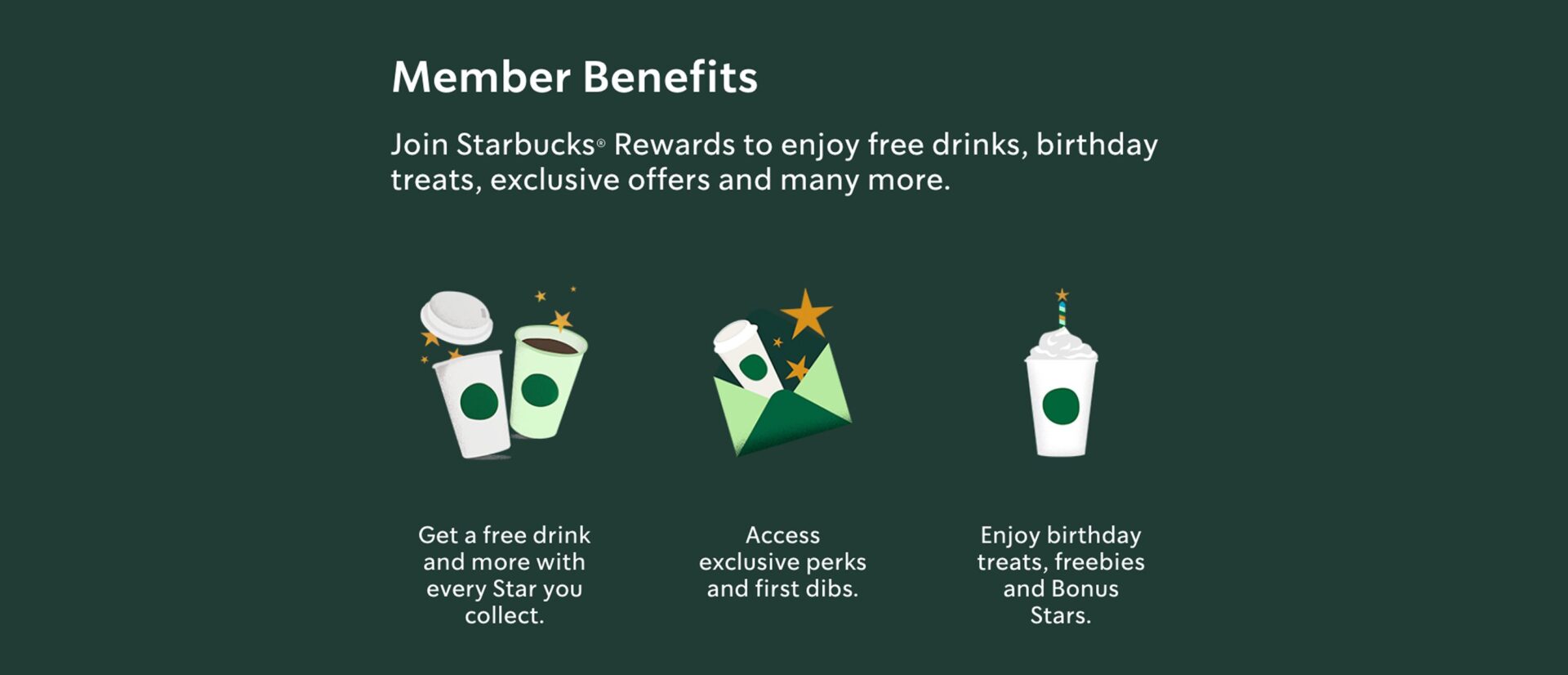
Starbucks Malaysia’s strategy centers on a tiered, points-based system that rewards members with “Stars” for every Ringgit spent. By using a tiered structure (typically Green and Gold levels), the brand gamifies the experience, incentivizing users to reach “Gold” status for exclusive perks like double star days and personalized offers.
According to industry reports, Starbucks Rewards members globally contribute over 50% of total revenue, highlighting how a well-structured loyalty platform stabilizes cash flow through predictable, repeat behavior.
O2O Integration: The Mobile-First Advantage
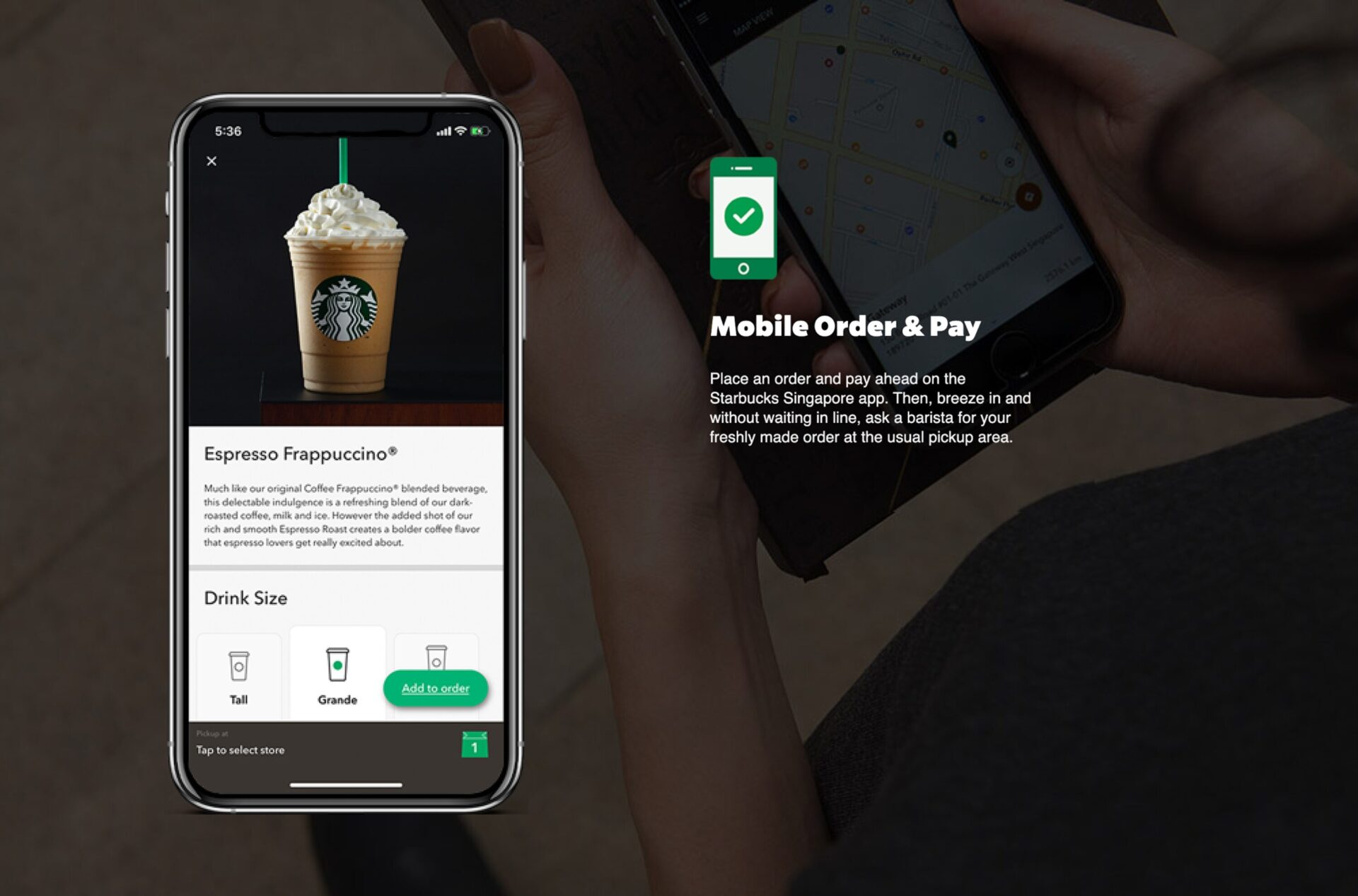
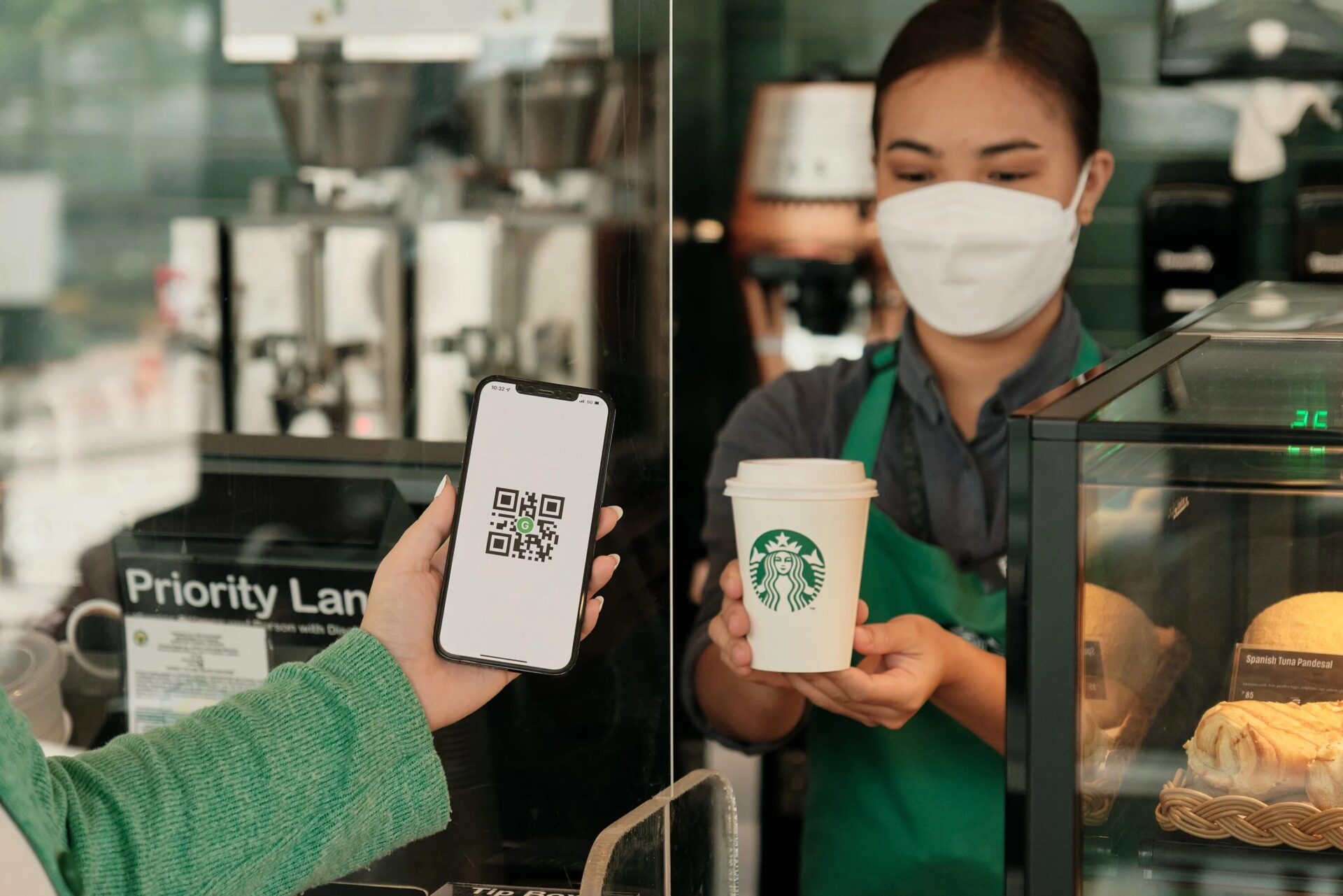
For many Malaysian consumers, convenience is the primary driver of loyalty. Starbucks Malaysia effectively utilizes Mobile Order & Pay, allowing customers to skip the queue and earn rewards simultaneously. This seamless O2O (Online-to-Offline) strategy ensures that the digital experience enhances—rather than replaces—the physical cafe experience.
- Real-Time Syncing: Stars are updated instantly across all channels
- In-App Wallet: Encouraging users to preload funds into their digital Starbucks Card reduces transaction friction and locks in future spending.
Personalization: Beyond Generic Discounts
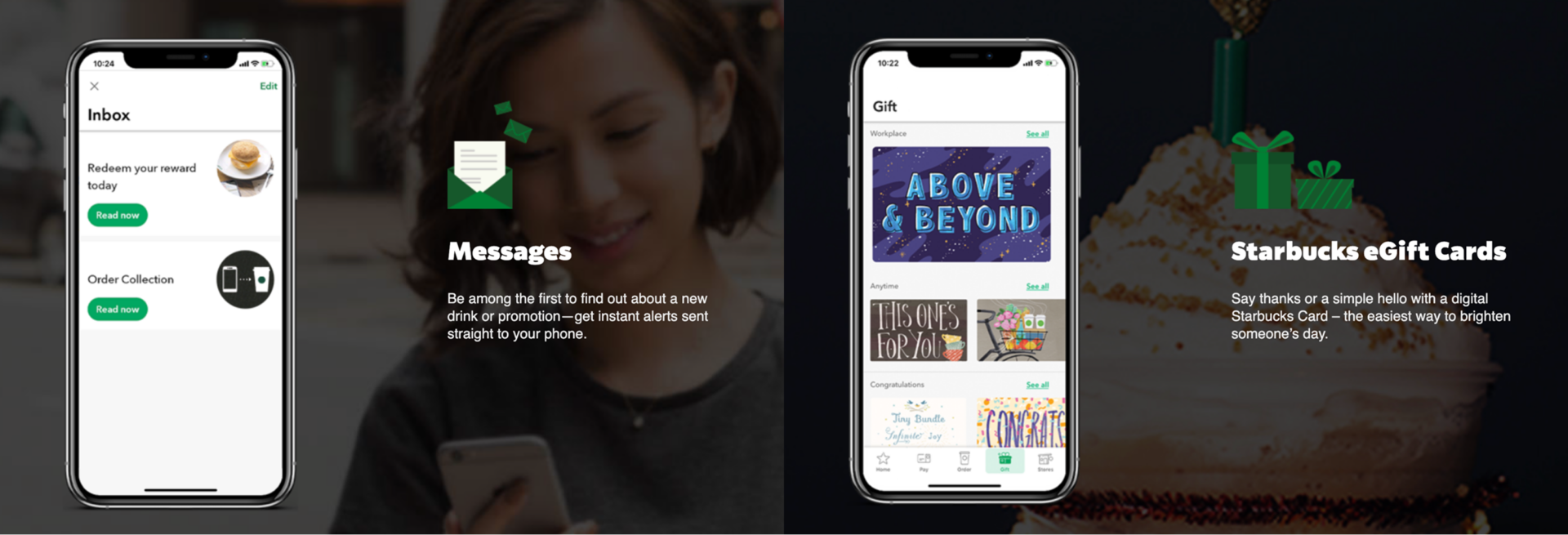
One of the most powerful features of the Starbucks app in Malaysia is its ability to deliver tailored promotions. Instead of mass-blasting a 10% discount to all users, the system uses purchase history to offer rewards that matter to the individual.
- Birthday Treats: A staple of Malaysian loyalty culture, Starbucks leverages this “life moment” to drive footfall during a member’s birthday month.
- AI-Driven Recommendations: If a user frequently orders “Oatmilk Lattes,” the app triggers personalized offers for non-dairy alternatives, increasing the perceived quality of service.
Key Lessons for Southeast Asian Retailers
For Malaysian businesses looking to replicate this success, the “Starbucks model” offers three vital lessons:
- Prioritize the App Experience: In Southeast Asia, “mobile-first” is an understatement. If your loyalty program requires a physical card or a clunky web login, you are losing the younger Gen Z and Millennial demographics.
- Use Data for Resilience: When footfall drops, use your CRM data to understand who stayed and why. This allows for more surgical, cost-effective marketing.
- Localized Context Matters: Whether it is integrating with local e-wallets like Touch ‘n Go or offering rewards tied to local festivities (Hari Raya, Chinese New Year, Deepavali), localized signals build a deeper emotional connection.
Frequently Asked Questions (FAQ)
What is tiered loyalty and why is it popular in Malaysia?
Tiered loyalty (e.g., Green vs. Gold) creates a sense of “VIP” status. In the Malaysian market, where social proof is a strong motivator, higher tiers encourage customers to spend more to unlock exclusive “hidden” rewards and better earn rates.
How do I implement O2O redemption for my retail store?
Implementing O2O requires a customizable loyalty platform that integrates your POS (Point of Sale) with your mobile app. This ensures that when a customer scans a QR code in-store, their digital coupons are validated and their points are updated in real-time.
What data do I need for real-time loyalty syncing?
To achieve real-time syncing like Starbucks, you need a unified customer profile. This involves capturing transaction IDs, member UIDs, and timestamps from both your e-commerce engine and physical POS, typically facilitated through a robust API-led CRM solution.
Is Starbucks Rewards the only successful program in Southeast Asia?
No. Many local Malaysian brands like Tealive, Watsons, and Grab have world-class loyalty ecosystems. The common thread is their use of mobile-first technology and data-driven personalization to stay relevant in the fast-moving Southeast Asian market.
For more insights on building a digital-first loyalty strategy in Malaysia and Southeast Asia, explore Motherapp’s loyalty solutions or contact our consultants today.