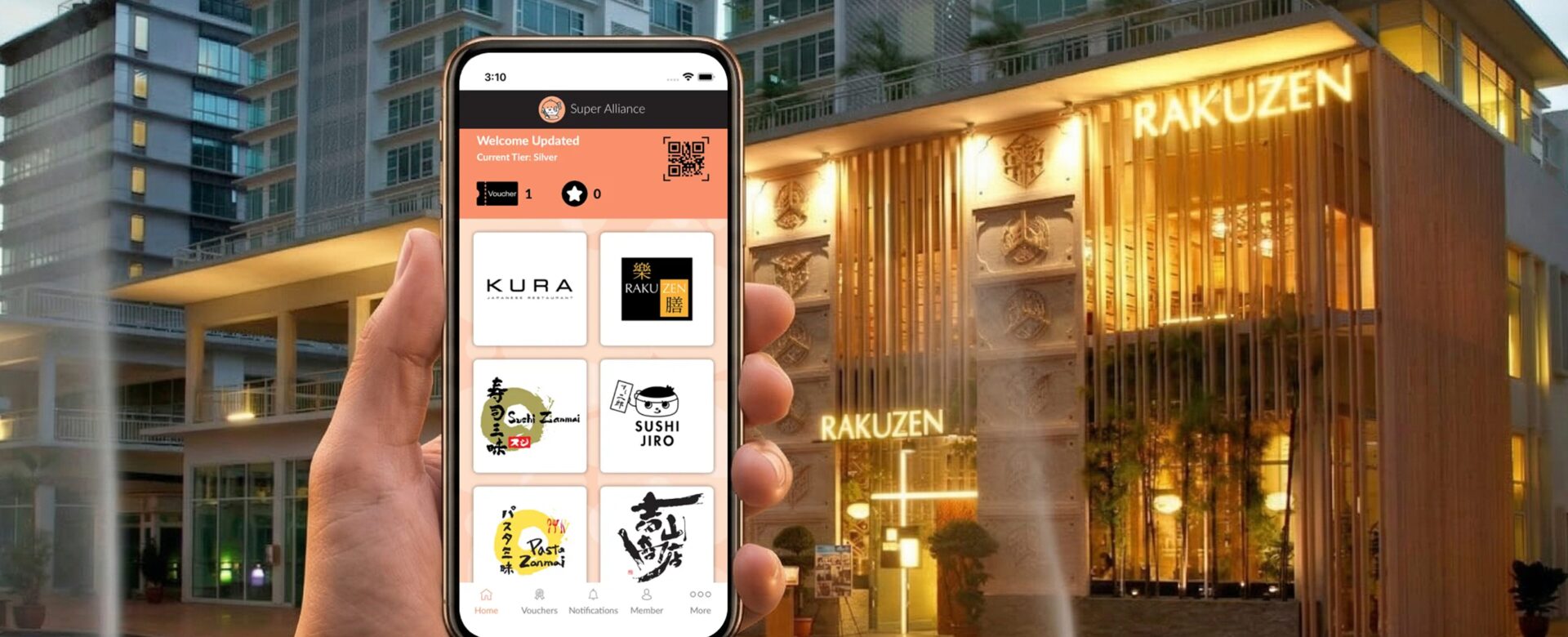
In the competitive F&B landscape of Southeast Asia, brand loyalty is no longer just about “buy ten, get one free” cards. For multi-brand groups in Malaysia, the challenge is twofold: how do you encourage cross-brand discovery while maintaining a frictionless user experience?
Super Dining, a leading group of Japanese restaurants and food specialty stores in Malaysia, answered this through Super Alliance. This digital-first loyalty ecosystem doesn’t just reward transactions; it builds a data-driven relationship with the modern Malaysian diner. At Motherapp, we see this as a gold standard for O2O (Online-to-Offline) integration in the region.
Table of Contents
2. The Super Alliance Vision: Multi-Brand Synergy
3. Core Mechanics: The Power of the QR Identifier
4. Strategic Features: Table Booking & Pandemic Adaptation
5. Why This Matters for the Malaysian F&B Market
6. Building Your Loyalty Roadmap with Motherapp
7. Frequently Asked Questions (FAQ)
Key Takeaways
- Unified Ecosystem: Super Dining’s “Super Alliance” app creates a single loyalty currency across multiple Japanese F&B brands in Malaysia.
- Seamless O2O Experience: Mobile-based QR identifiers bridge the gap between physical dining and digital rewards.
- Strategic Feature Set: Beyond points, the app integrates table booking to solve local pain points like queuing and social distancing.
- SEA Market Signal: F&B digital maturity in Malaysia is accelerating, driven by high mobile penetration and a demand for contactless convenience.
The Super Alliance Vision: Multi-Brand Synergy
Super Dining operates some of the most recognizable Japanese culinary brands in Malaysia. The “Super Alliance” app was designed to consolidate these diverse storefronts into a single digital home.
By using a single loyalty currency, Super Dining encourages diners to explore their entire portfolio. A customer might earn points during a lunch at a ramen shop and redeem them for a premium dessert at a specialty food store later that week. This cross-pollination is essential for increasing the “Lifetime Value” (LTV) of a customer within a larger corporate group.
Core Mechanics: The Power of the QR Identifier
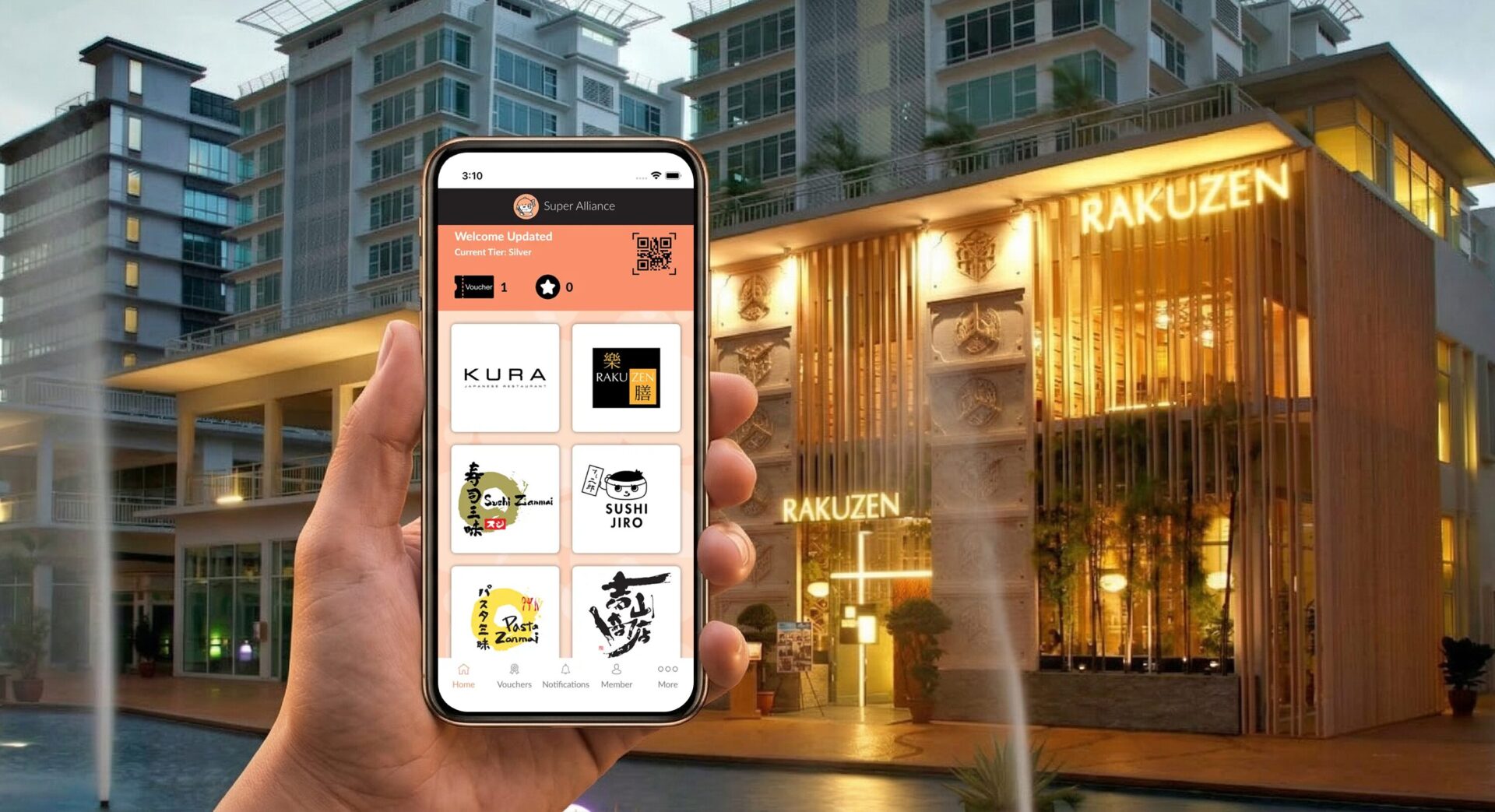
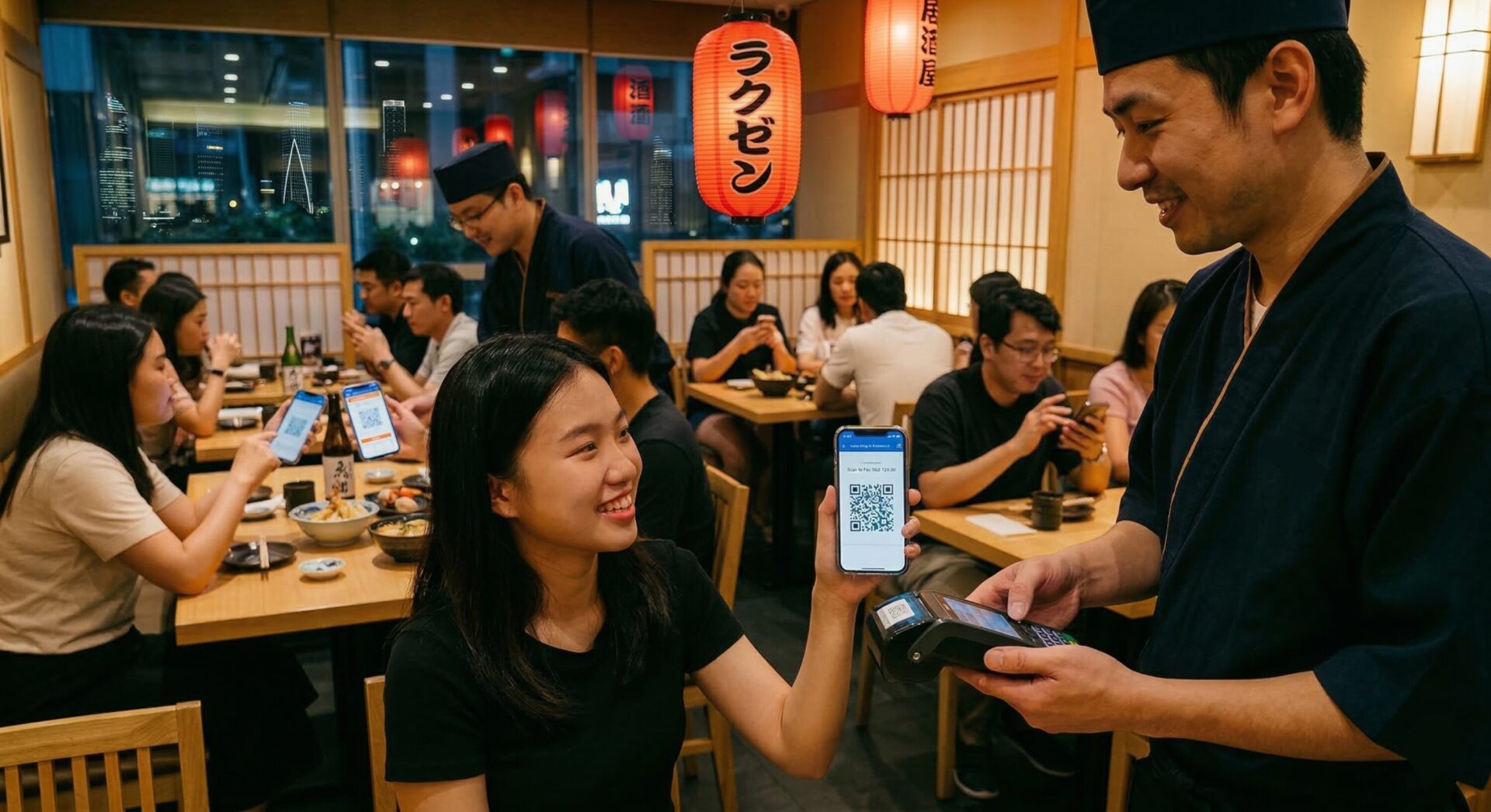
The heart of the Super Alliance experience is the mobile-based QR identifier. In Southeast Asia, where e-wallet usage (like GrabPay, Touch ‘n Go, and Boost) is among the highest globally, QR-based interactions are second nature to consumers.
- Earn Points Seamlessly: Customers simply display their unique QR code during payment.
- Instant Gratification: Points are updated in real-time, feeding into the “reward loop” that keeps users engaged.
- Data Accuracy: This method ensures that transaction data is accurately synced between the POS system and the loyalty CRM, providing the brand with clean data for future AI-driven marketing efforts.
Strategic Features: Table Booking & Pandemic Adaptation
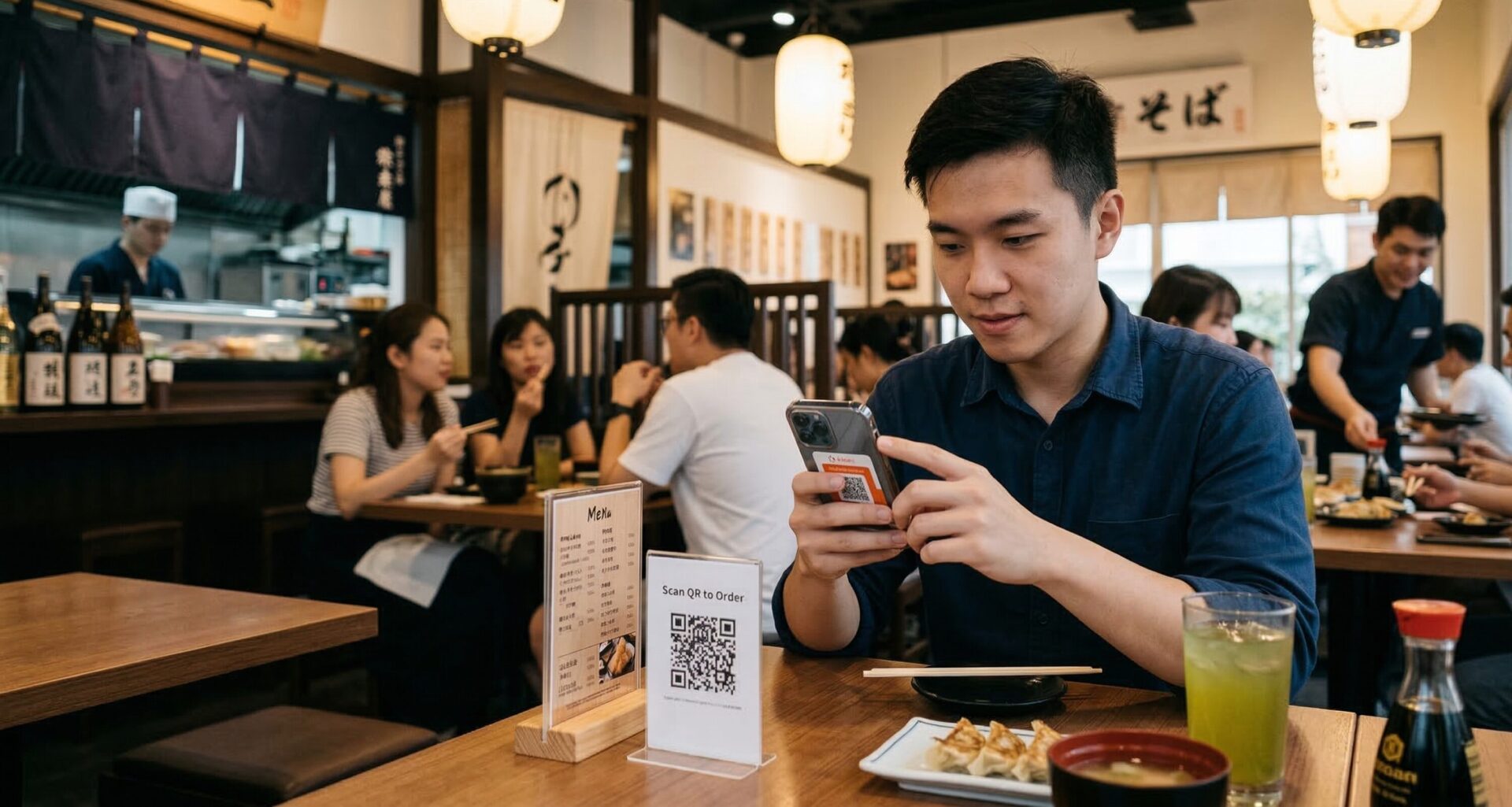
One of the most noteworthy features of the Super Alliance app is its integrated table booking system. While initially a response to pandemic-era social distancing and crowd control, it has remained a staple of the user experience in Malaysia’s post-pandemic “new normal.”
By allowing users to book tables directly through the loyalty app, Super Dining:
- Reduces Friction: No need to switch between third-party booking sites or call the restaurant.
- Improves Operational Efficiency: Staff can better manage peak hours and reduce walk-in congestion.
- Captures Intent: Booking data provides a “forward-looking” view of customer behavior that simple transaction history cannot.
Why This Matters for the Malaysian F&B Market
Malaysia’s digital economy is projected to continue its rapid growth, with F&B being a primary driver. According to the Google, Temasek, and Bain & Company e-Conomy SEA 2024 report, digital consumers in Southeast Asia are increasingly looking for “integrated value”—they want apps that do more than one thing.
For Malaysian operators, the Super Alliance case study proves that a loyalty app is no longer an “extra”—it is the central nervous system of the business. It allows brands to compete not just on price, but on the quality of the digital relationship.
Building Your Loyalty Roadmap with Motherapp
Motherapp specializes in helping enterprise brands in Southeast Asia navigate this digital shift. Whether you are looking to implement a tiered loyalty system or need a robust O2O redemption engine, our team understands the local nuances of the Malaysia and HK markets.
Interested in exploring a similar solution? Contact Motherapp for a Free Consultation
Frequently Asked Questions (FAQ)
What is O2O redemption in the context of Malaysian F&B?
O2O (Online-to-Offline) redemption refers to the process where a customer earns or selects a digital voucher within an app (Online) and redeems it at a physical storefront (Offline). In Malaysia, this is typically facilitated via QR codes or unique alpha-numeric pins verified at the POS.
How do multi-brand loyalty programs benefit smaller sub-brands?
Smaller or newer brands within a group benefit from “halo traffic.” When users of a popular anchor brand see their points are valid at a new, smaller specialty store, the barrier to trial is significantly lowered, accelerating the growth of the new brand.
What data is needed for real-time loyalty syncing?
To achieve real-time syncing, you need a robust API connection between your Point of Sale (POS) system and your Loyalty Management System (LMS). Key data points include Member ID (via QR), transaction value, branch location, and timestamp.
How does table booking integrated into a loyalty app improve SEO?
While it might seem purely functional, integrated features increase “App Stickiness” and session duration. For the web-based version of these services, it creates local landing pages that rank for “Japanese restaurant booking [City Name],” driving organic traffic to the loyalty ecosystem.
Motherapp is a leading digital solution provider helping businesses in Southeast Asia and beyond achieve digital excellence through user-centric design and smart technology.